

By Theresa Mertens
Today, Namibia commemorates Genocide Remembrance Day in honour of the Ovaherero, Nama, Damara and San communities affected by German colonial violence between 1904 and 1908. We remember all those who suffered unimaginable loss of life, displacement, enslavement and sexual violence under German colonial rule in Namibia.
This year marks only the second time that Genocide Remembrance Day is commemorated through Namibia’s official national calendar.
The day was officially introduced to create national remembrance of the genocide intentionally carried out by German colonial forces against the Ovaherero and Nama between 1904 and 1908 – widely regarded as the first genocide of the 20th century.
The date was chosen because on 28 May 1908, the German colonial administration officially ordered the closure of the concentration camps across the colony of German South West Africa. For many, the date symbolically marks the end of the concentration camp system established during the genocide and the survival of communities targeted by German extermination policies. At the same time, the date has also faced criticism from some traditional authorities and representatives of affected communities.
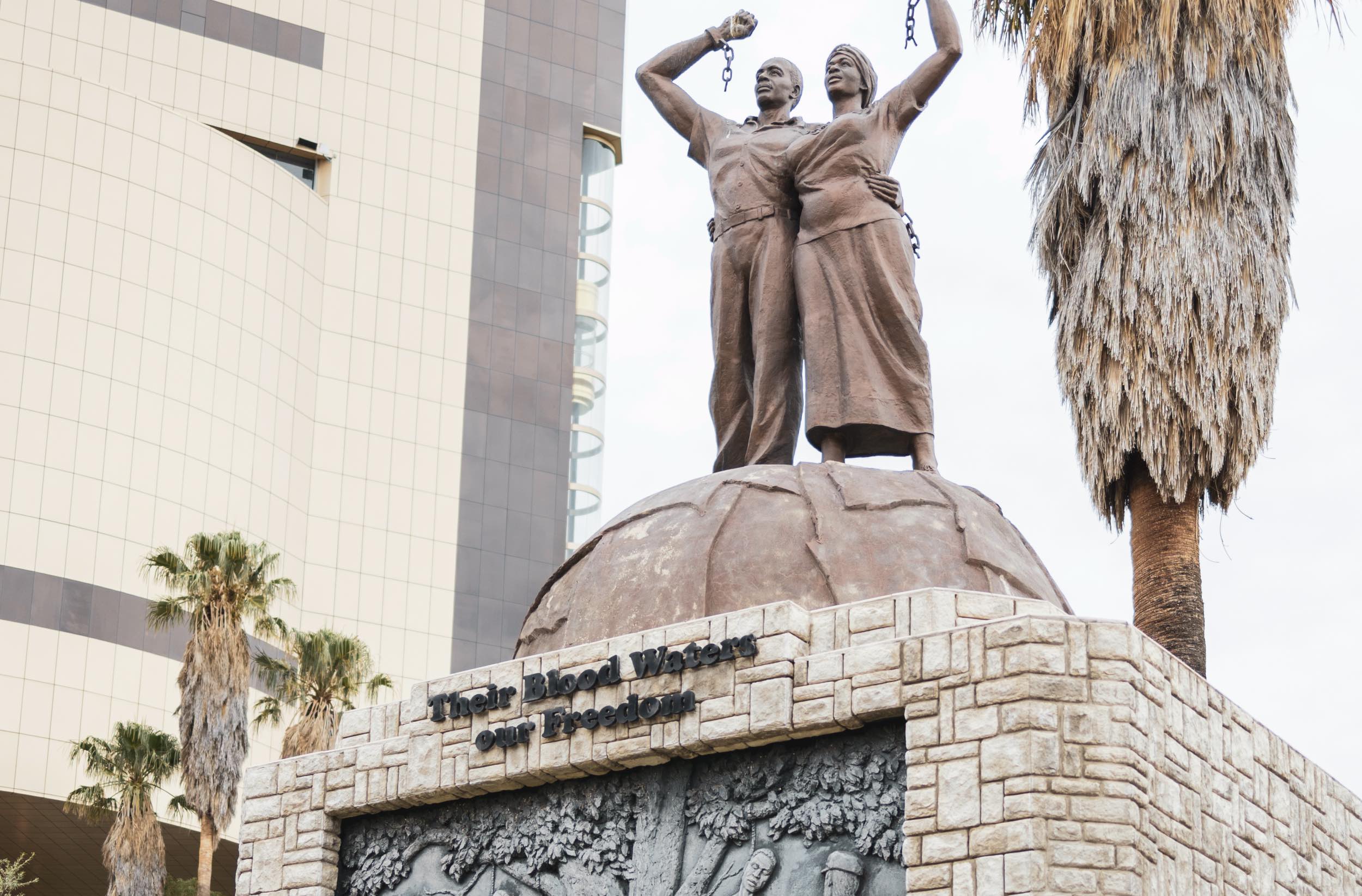
After the Ovaherero and Nama uprising against German colonial rule, German colonial forces brutally suppressed resistance.
In 1904, German General Lothar von Trotha issued an extermination order against the Ovaherero and later, in 1905, against the Nama. Thousands of Ovaherero were driven into the waterless Omaheke Desert, where many died of thirst, starvation and exhaustion. Survivors were imprisoned in concentration camps across the colony. In camps such as Shark Island near Lüderitz, death rates are estimated to have reached around 80%.
Prisoners were subjected to forced labour and many were worked to death. In some camps, prisoners were forced to remove flesh from human remains, which were then shipped to Germany for so-called 'racial anthropology' and racist pseudoscientific research.
Today, historians estimate that around 100,000 people were killed during the genocide, including approximately 80% of the Ovaherero population and 50% of the Nama population.
While the extermination orders specifically targeted the Ovaherero and Nama, many Damara and San people also perished under German colonial violence.
The genocide fundamentally reshaped Namibian society and laid the foundations for colonial systems that continued long after 1908.
While Ovaherero and Nama communities were imprisoned in concentration camps, their land was confiscated and expropriated by the German colonial administration. Cattle were seized and African livestock ownership was heavily restricted. Indigenous people were forced to register with colonial authorities and carry pass tokens.
Communities were displaced, social structures disrupted and cultural practices suppressed. The effects of German colonialism continue to shape Namibia today.
Many Ovaherero and Nama communities continue to face intergenerational trauma and dispossession. Much of the ancestral land taken during colonialism remains white-owned today, while many looted human remains taken to Germany during the colonial period have still not been returned.
Although 28 May is now officially recognised as Genocide Remembrance Day, the date remains contested.
Some traditional authorities and representatives of affected communities argue that 28 May should not be understood as a day of liberation, but rather as the beginning of a new system of colonial landlessness, contract labour and systemic oppression imposed on survivors after the closure of the camps.
Some communities instead propose 12 April, the date of the Hornkranz massacre, as well as 22 April and 2 October as commemorative dates – the dates on which the German colonial regime issued extermination orders against the Ovaherero and Nama peoples.
Today, we honour the survivors, descendants and communities who continue to preserve memory, keep these histories alive and demand justice.
May the victims of the genocide never be forgotten.
All Photos: Julia Runge