
By Theresa Mertens
Today 133 years ago, German colonial troops attacked Hornkranz. The settlement of the Witbooi Nama was burned to the ground, women and children were killed, and survivors abducted. Today, many Nama communities regard the massacre as the beginning of Germany’s genocidal campaign against the Nama and commemorate 12 April as an important day of remembrance.
At a time when European powers were dividing up the African continent among themselves, colonising, exploiting and violently oppressing indigenous populations, Hendrik Witbooi emerged as one of the most influential African leaders resisting imperial expansion in Southern Africa.
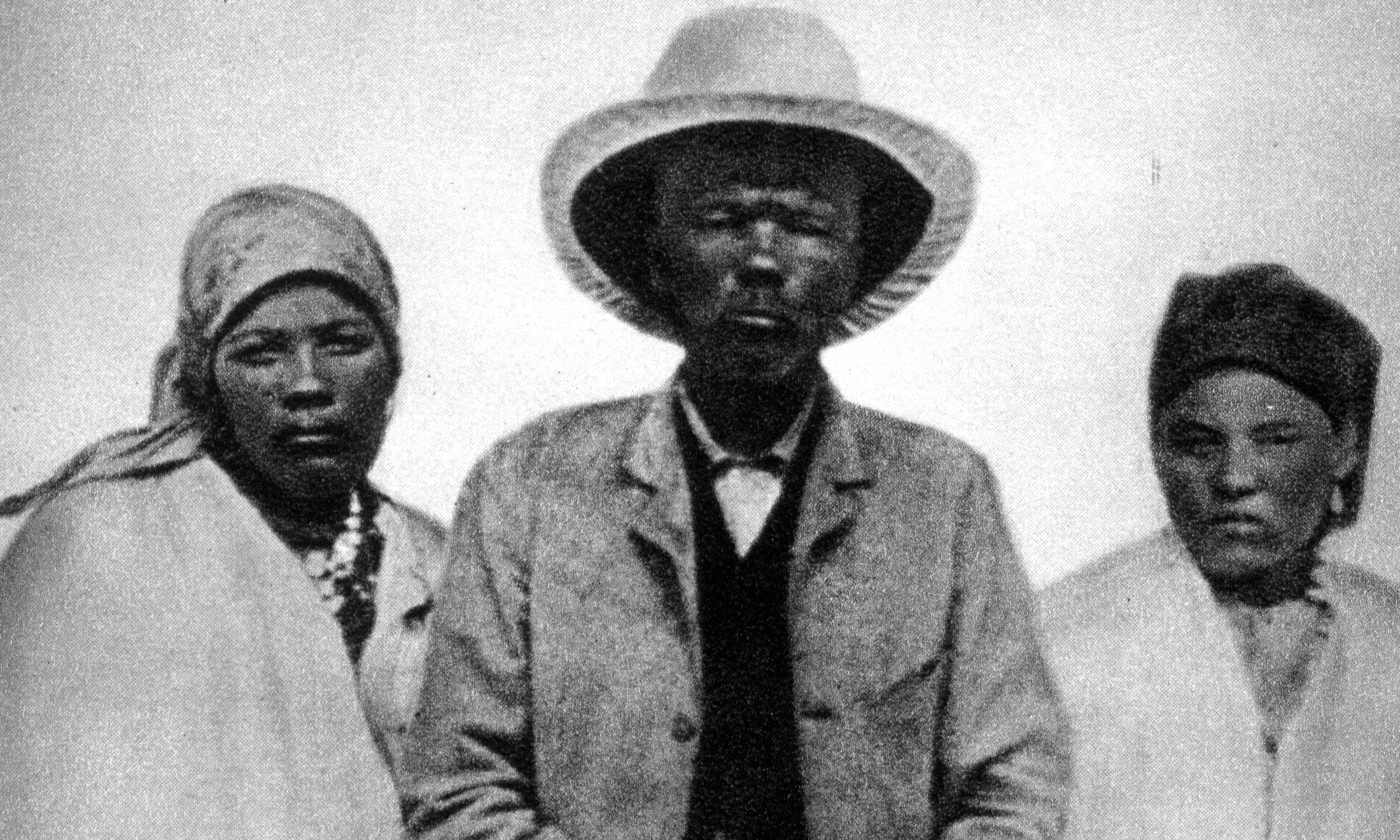
Today, most people in Namibia recognise his face from the 50, 100 and 200 Namibian Dollar notes. Yet, Hendrik Witbooi was not only a resistance leader and military strategist, but also a literate and politically visionary thinker. He rejected German colonial rule, refused to sign so-called “protection treaties” and warned other African leaders about the violence, dispossession and destruction brought by colonialism.
Through letters sent to leaders across the region, Witbooi called for unity against the growing threat of German colonialism. His writings, today known as The Hendrik Witbooi Papers, are part of UNESCO World Documentary Heritage and remain among the most important African texts documenting colonialism from an African perspective. In his letters, Witbooi reflected on the nature of colonialism, the dangers posed by European imperialism and the need for African unity – ideas that scholars today regard as early expressions of Pan-African thought.
On 12 April 1893, German colonial commander Curt von François and around 200 soldiers attacked the Nama settlement of Hornkranz in the Khomas Highlands. The settlement was home to the Witbooi Nama community under Hendrik Witbooi’s leadership.
At the time of the attack, the Witbooi fighters were largely unarmed after German colonial forces had cut access to arms and ammunition supplies. Before dawn, German troops surrounded the settlement and launched a surprise attack while people were asleep.
Believing women and children would be spared, Hendrik Witbooi ordered many men to flee. Instead, German colonial troops attacked the settlement indiscriminately.
Within only 30 minutes, German forces fired more than 16,000 rounds of ammunition into Hornkranz. The settlement was looted and burned to the ground, with women and children shot and dying in the fires. The massacre killed 10 men and 78 women and children. Around 80 women were abducted and imprisoned in the Alte Feste in Windhoek.
Today, many affected Nama communities regard the Hornkranz massacre as the beginning of Germany’s genocidal campaign against the Nama. In letters written after the massacre, Hendrik Witbooi documented the brutality of the German attack on Hornkranz. These writings remain among the most powerful testimonies of German colonial violence in Namibia. In a letter to John Cleverly, the British magistrate of Walvis Bay, he wrote:
“They were always boasting their great power of people and arms, so that I did not expect such a powerful man, and the ruling representative at that, of a civilized nation, to undertake such a raid against my small and inconsequential person, as if robbing me – for he actually sneaked upon us in our sleep. He sacked my settlement, indiscriminately killing small children, women, and men, and the dead bodies of some people he had shot, he burned: that is how brutally the Captain dealt with my camp, as I would have never expected of a White person. [...] Thus the Germans shed the innocent blood of women and children. And he said he will not stop until he has crushed me.” 1
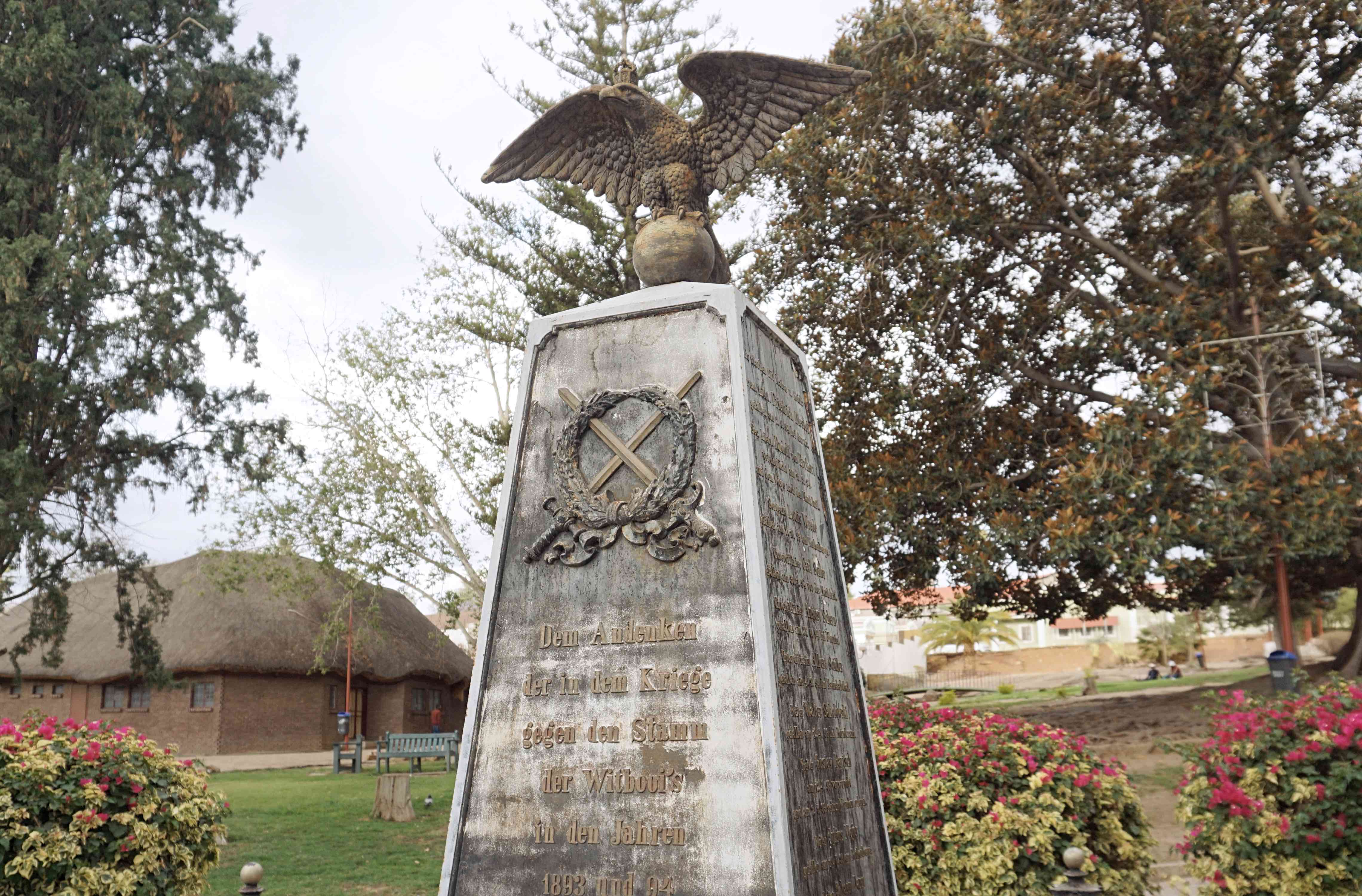
Colonial narratives surrounding the Hornkranz massacre are still embedded in Windhoek’s public space. If you want to learn more about the controversial so-called “Witbooi Monument” – a colonial monument connected to the colonial violence against the Witbooi Nama – join our Colonial Core Tour or Postcolonial Walking Tour in Windhoek.
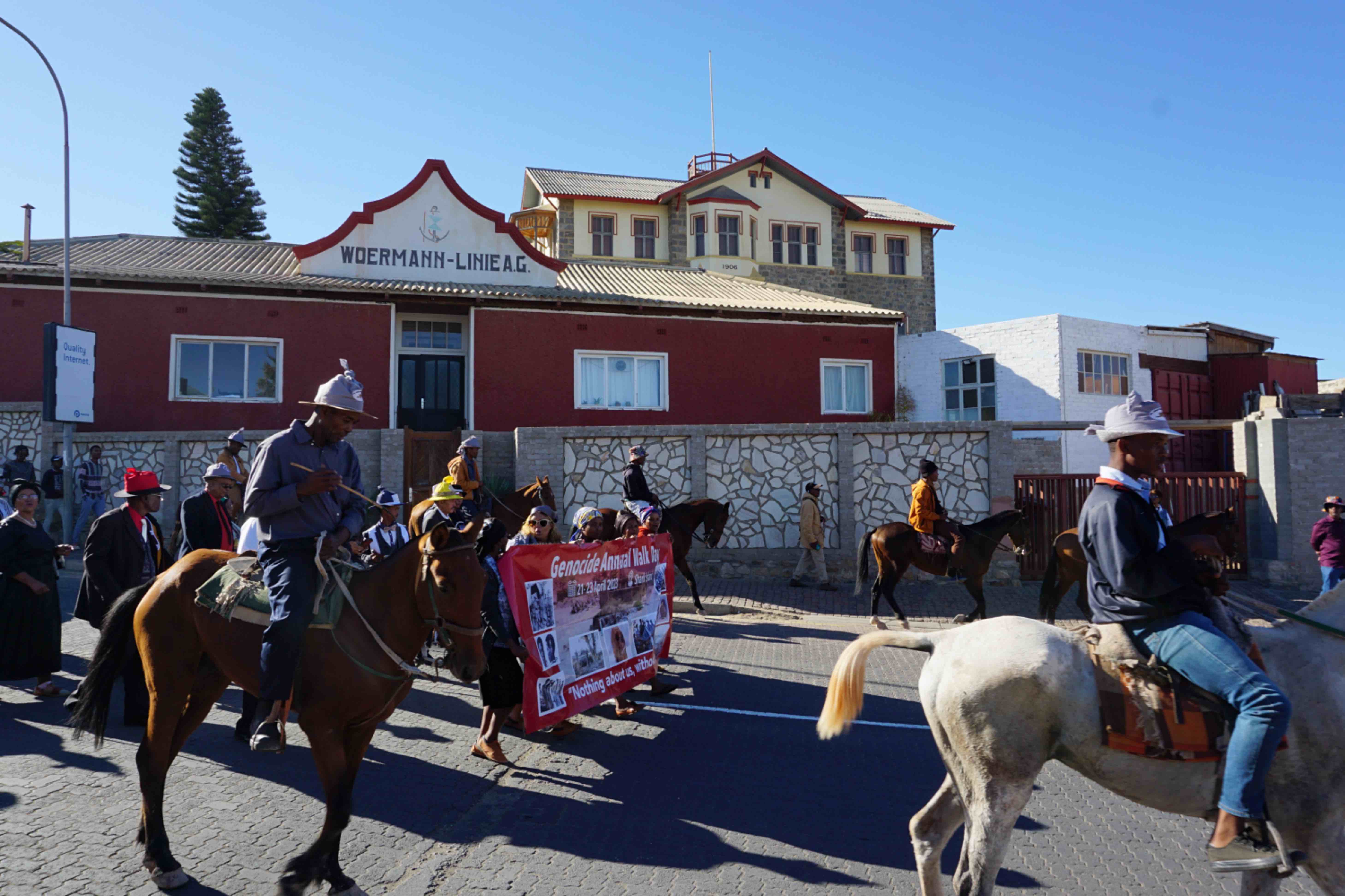
The memory of Hornkranz remains deeply important for many Nama communities today. Every year, the NTLA (Nama Traditional Leaders Association) commemorates the massacre on Shark Island as part of genocide remembrance events. This year, the Shared History Tours team travelled to Lüderitz to take part in the commemoration and remember the victims of Hornkranz together with descendants, activists and community leaders.
Today, we remember the victims of the Hornkranz massacre and honour the resilience and survival of the Nama communities, as well as their resistance against German colonial violence.
1 The Hendrik Witbooi Papers, translated by Annemarie Heywood and Eben Maasdorp, annotated by Brigitte Lau. Windhoek: National Archives of Namibia, 1995, p.129.
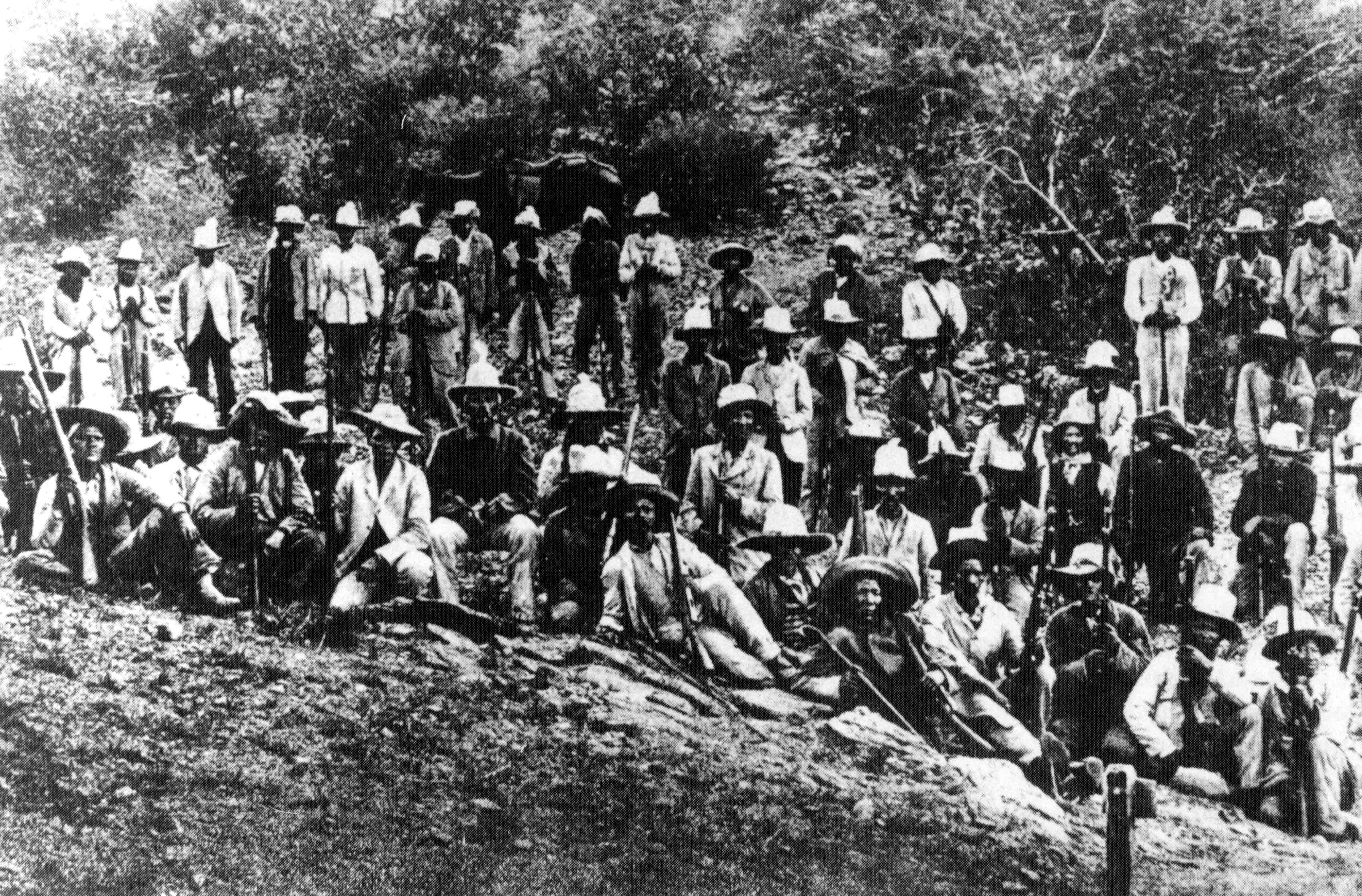
The Title image shows Hendrik Witbooi and his soldiers. ©Photo 12586 National Archives of Namibia